
How to Find the Best Local Joiners in Stirling
Whether you’re fitting a new kitchen in Causewayhead, replacing tired doors in a Bridge of Allan semi or restoring the sash windows on a Victorian villa near King’s Park, the joiner you choose will shape how the finished job looks and how long it lasts. Good joinery is one of those things you notice every day: doors that close cleanly, skirting that sits tight to the wall, windows that open without a fight.
The trouble is that almost every tradesperson online calls themselves “the best”. Search for joiners in Stirling and you’ll find dozens of names, a few glowing reviews, and very little to tell them apart. This guide explains what a good local joiner actually does, why local knowledge matters in Stirling in particular, and how to choose someone you’ll be glad you hired.
What does a local joiner actually do?
Joinery covers far more than most homeowners realise. A skilled joiner works with timber to make, fit and repair the parts of a building that people touch and use. In a typical Stirling home that might include:
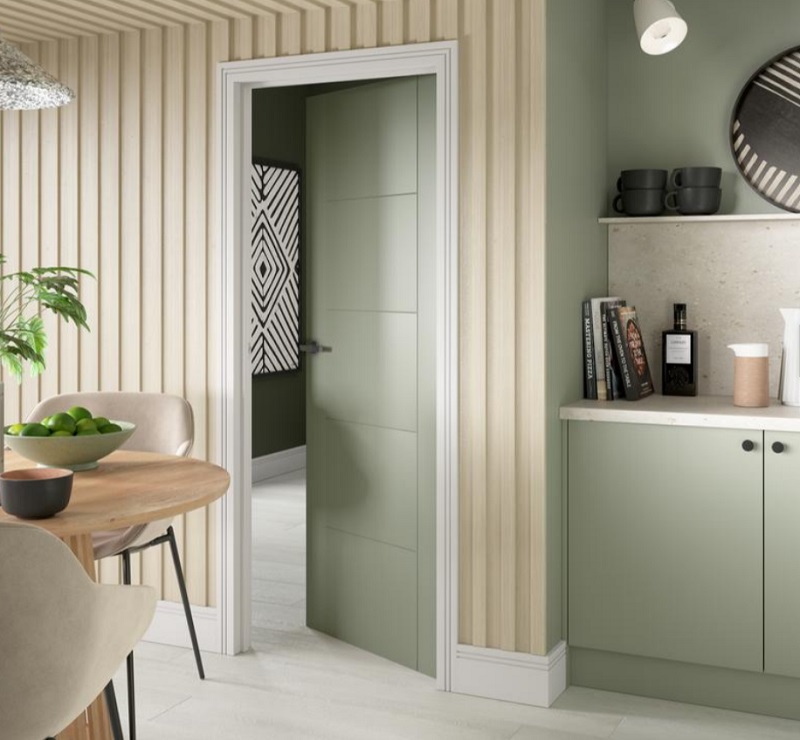
- Internal and external doors, including hanging, adjusting and fitting new ironmongery
- Skirting boards, architraves, dado rails and other mouldings
- Kitchen fitting and bespoke fitted storage
- Staircases, banisters and handrails
- Timber flooring and subfloor repairs
- Sash and case window repair, draught-proofing and restoration
- Stud walls, partitions and loft conversion work
- Fire doors and other work that has to meet building regulations
Some joiners specialise, while others cover the whole range. Neither is better by default. What matters is that the person you hire has a proven track record in the specific job you need done.
Why local knowledge matters in Stirling
Stirling has an unusually varied mix of buildings. Within a few miles you’ll find sandstone tenements in the city centre, grand Victorian villas around King’s Park and Bridge of Allan, interwar bungalows, post-war council housing and new-build estates on the edge of town. Each comes with its own quirks.
Older properties rarely have a straight wall or a level floor. Original sash and case windows need a joiner who understands weights, pulleys and parting beads, not someone who will simply recommend replacing them with uPVC. Many homes sit within conservation areas, where like-for-like timber repairs are often expected and the wrong materials can cause problems with the council.
The Scottish climate matters too. Driving rain and damp winters are hard on external timber, so a local joiner will know which timbers, treatments and paint systems actually hold up here. They’ll also know local suppliers, which can keep costs down and lead times short.
There’s a practical benefit as well. A joiner based nearby can come back quickly if a door needs a small adjustment after the timber settles, and their reputation depends on word of mouth in a fairly small community. That gives them every reason to get things right.
What to look for in a good joiner
Before you pick up the phone, it helps to know what separates a reliable joiner from the rest. Here’s what to check.
Genuine local reviews. Look at Google reviews and recommendations on local Facebook groups. Pay attention to reviews that mention specific jobs and areas, such as “new staircase in Dunblane”, rather than one-line five-star ratings.
A portfolio of similar work. Ask to see photos of jobs like yours. If you live in a period property, you want someone who has worked on period properties, not just new builds.
Proper training and experience. Many good joiners in Scotland have served a formal apprenticeship and hold an SVQ in carpentry and joinery. Ask how long they’ve been trading and what kind of work makes up most of their week.
Public liability insurance. Any professional joiner should carry it and be happy to show you the certificate. It protects you if something goes wrong on site.
Clear communication. Notice how quickly they reply, whether they turn up when they say they will, and whether they explain things in plain language. How someone handles the quote is usually how they’ll handle the job.
A written quote. A proper quote lists the work, the materials, the price and what’s excluded. Vague figures given on the doorstep are a warning sign.
Questions to ask before you hire
A short conversation before work starts can save a lot of hassle later. Useful questions include:
- Have you done this kind of job before, and can I see examples?
- Will you do the work yourself, or will someone else be on site?
- When can you start, and how long will the job take?
- What’s included in the price, and what might cost extra?
- Who supplies the materials, and what timber or products will you use?
- Will you tidy up and take away waste at the end?
- Do you offer any guarantee on your workmanship?
A good joiner will answer these without hesitation. If someone gets defensive or vague, take note.
Red flags to watch out for
- Asking for a large cash payment upfront before any work or materials are ordered
- No landline, address or business details, only a mobile number
- Pressure to decide on the spot, or a “today only” price
- Reluctance to put anything in writing
- A quote far below everyone else’s with no clear explanation
A deposit to cover materials on a bigger job is normal. Paying most of the bill before anyone has lifted a tool is not.
Getting a fair price
Joinery prices vary with the size of the job, the materials and how much preparation is involved. Hanging a single internal door is a very different job from fitting a full kitchen or restoring a set of original sash windows, so it’s hard to compare jobs on price alone.
The best approach is to get two or three written quotes for the same specification. Make sure each joiner is pricing the same thing: the same doors, the same timber, the same finish. If one quote is much cheaper, ask what’s been left out. It might be the materials, the decorating or the disposal of waste.
Remember that the cheapest quote isn’t always the best value. A well-fitted door or a properly restored window can last decades, while a rushed job may need redoing within a year or two. Paying a little more for an experienced local joiner often saves money in the long run.
Finally, good joiners in Stirling tend to be busy, especially in spring and summer. If you have a project in mind, get in touch early, and don’t be put off if you have to wait a few weeks. A short wait is often a sign of a joiner who is in demand for the right reasons.
Choosing the right joiner for your home
The best local joiner for you isn’t necessarily the one with the biggest advert or the lowest price. It’s the one with relevant experience, honest reviews, proper insurance and a clear written quote, and who understands the kind of property you live in.
Take your time, ask the right questions and look closely at past work. Stirling has plenty of skilled tradespeople who take real pride in what they do. If you’re starting your search, Best Joiners Stirling is a good example of the kind of experienced local joiners in Stirling worth speaking to, with work covering everything from internal doors and skirting to sash and case window restoration.
Get the right person in, and you’ll enjoy the results every time you open a door or a window for years to come.